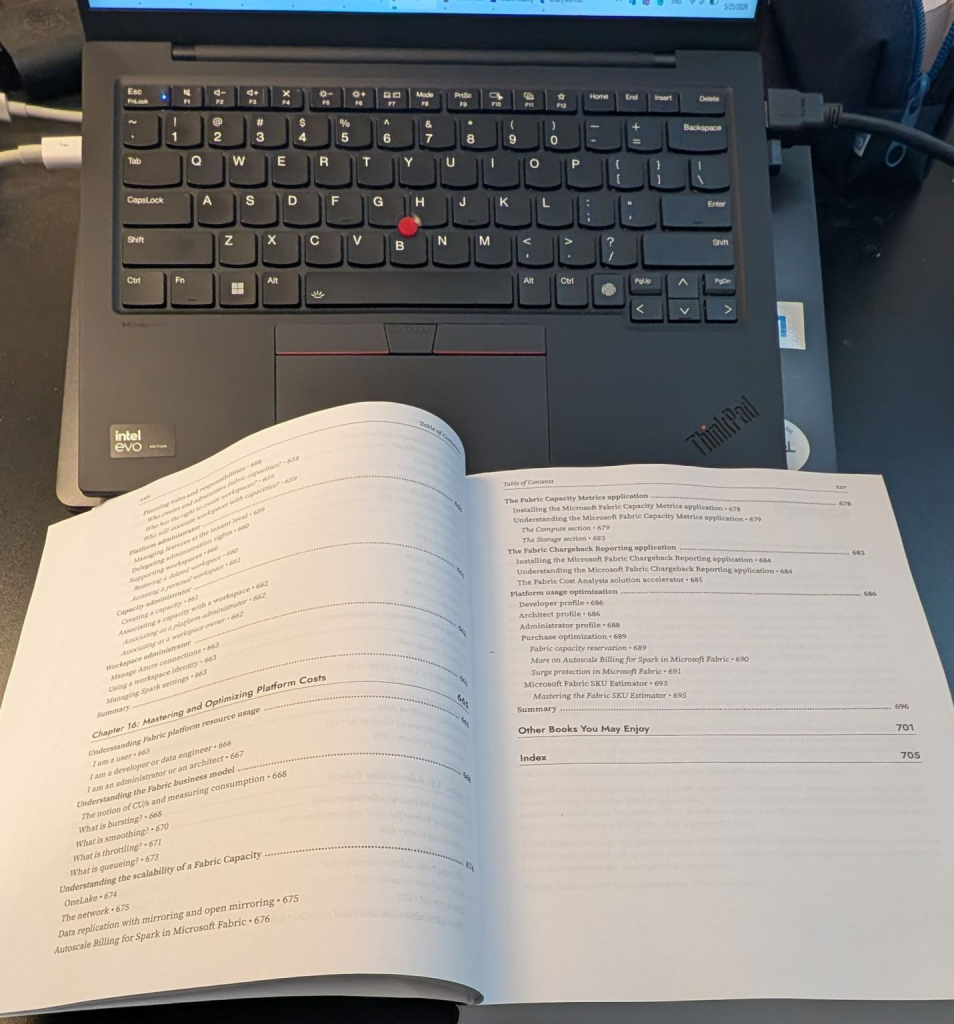
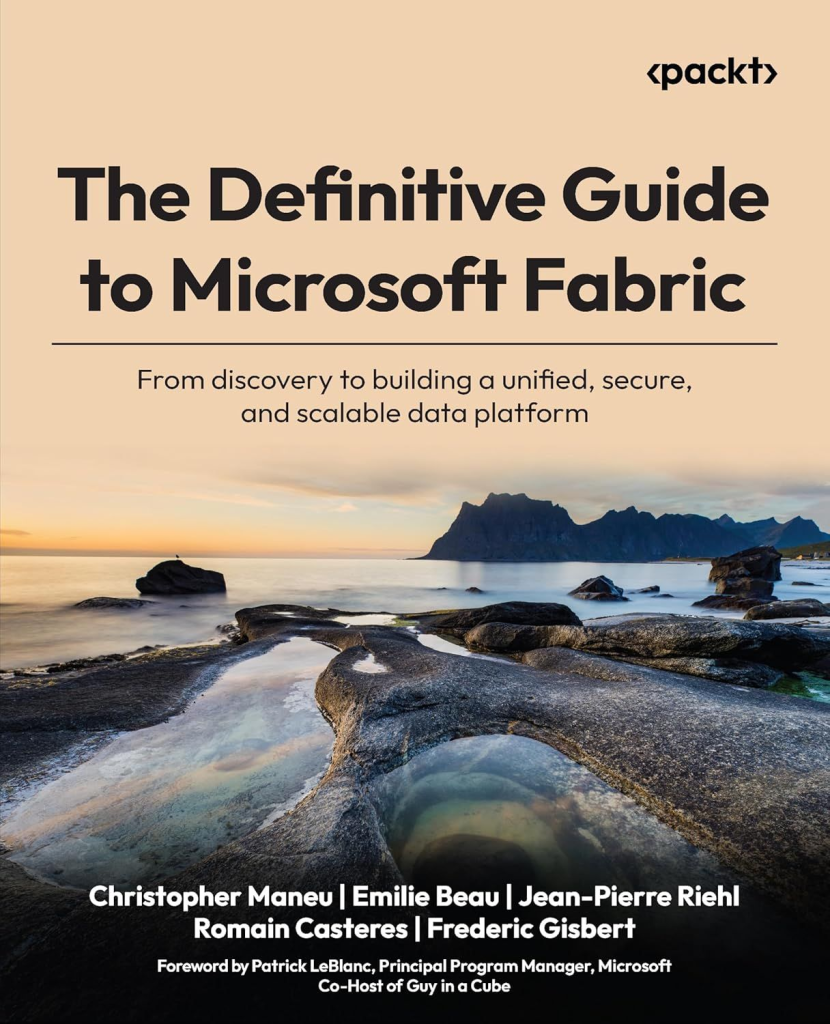
[Book Giveaway] ๐—ง๐—ต๐—ฒ ๐——๐—ฒ๐—ณ๐—ถ๐—ป๐—ถ๐˜๐—ถ๐˜ƒ๐—ฒ ๐—š๐˜‚๐—ถ๐—ฑ๐—ฒ ๐˜๐—ผ ๐— ๐—ถ๐—ฐ๐—ฟ๐—ผ๐˜€๐—ผ๐—ณ๐˜ ๐—™๐—ฎ๐—ฏ๐—ฟ๐—ถ๐—ฐ

Hello Cloud Marathoners!

I got an opportunity to work with Packt publishing to review a new book on Microsoft Fabric. I am excited to share my first impression and announce a giveaway for three lucky #CloudMarathoner community members who can get this book via raffle on June 5th.
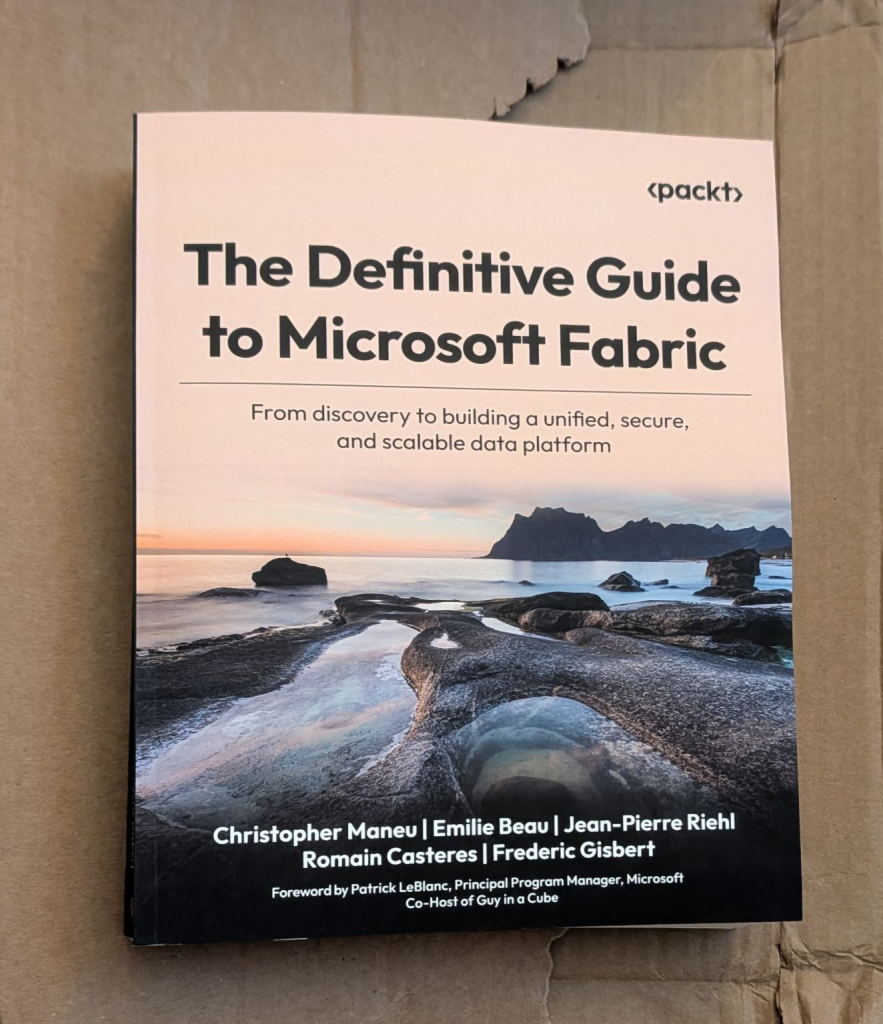
Brief A Cloud Marathoner Review

There is a moment many of us have experienced. You spend hours following a tutorial. Step by step. Everything works. You feel productive.
And thenโ€ฆ a few days later, you realize something is off.

You need to start over. Not because you did something wrongโ€”but because you didnโ€™t fully understand what you built.

If this sounds familiar, youโ€™re not alone. And honestly, this is one of the biggest silent lessons in tech: speed without understanding often leads to rework.

That is exactly why The Definitive Guide to Microsoft Fabric caught my attentionโ€”and why I wanted to share it with the Cloud Marathoner community.

What is Microsoft Fabric?

Letโ€™s simplify it: Microsoft Fabric is a unified data and analytics platform.

Instead of working with multiple disconnected services, Fabric brings everything together; data ingestion, storage, transformation, analytics, AI, and visualizationโ€”into a single integrated experience.

Think about it this way:

  • One place to store your data (OneLake)
  • One platform to process and transform it
  • One ecosystem to build insights, reports, and intelligent solutions

Microsoft Fabric includes capabilities like:

  • Data Factory (data integration)
  • Data Engineering & Data Science
  • Real-Time Analytics
  • Data Warehouse
  • Power BI for visualization

The biggest shift here is not just about toolsโ€”itโ€™s about mindset:

Moving from fragmented solutions to a unified, scalable, and governed data platform.

And that is where many people struggle with understanding how everything fits together in Microsoft Fabric.

How to WIN the book raffle

As part of the Cloud Marathoner journey, I always try to give back to the communityโ€”not just through content, but through opportunities. For this book, I organized a simple giveaway:

๐ŸŽฏ 3 lucky winners received a free copy

To participate, community members could:

  • Liked ๐Ÿ‘ the post
  • Commented ๐Ÿ’ฌ
  • Reposted โ™ป๏ธ

Why do I do this?

Well, because learning should be accessible. Sometimes, the difference between โ€œI want to learn thisโ€ and โ€œI actually startedโ€ is a single opportunityโ€”a book, a resource, a push, or a community moment.

As my dear friends, you know that Cloud Marathoner is not just about content. It is more about:

  • Encouraging continuous learning
  • Supporting each otherโ€™s journeys
  • Creating opportunities together

And as always, we grow faster when we grow together by helping each other to keep the momentum rolling.

What is covered in this book

What makes this book stand out is the depth and structure. It doesnโ€™t just teach how to use Microsoft Fabric, it goes well beyond by explains why things work the way they do. Basically, this book takes you on a full journey by beginning with:

๐Ÿ”น Foundations and Getting Started
  • It starts with What Microsoft Fabric is?
  • Core architecture concepts
  • Real-world use cases
  • Setting up your first environment

Next it continues with the most important sections of OneLake and UDD:

๐Ÿ”น OneLake and Unified Data Design
  • The lakehouse concept
  • Data organization strategies
  • OneLake as the unified data layer
  • Governance and security structures
  • Data mesh architecture approaches
๐Ÿ”น Data Ingestion & Transformation

This section explores multiple approaches to ingesting and shaping data where you learn practical and applicable scenarios in real-world:

  • Pipelines and orchestration
  • Notebooks (Spark-based engineering)
  • Real-time ingestion
  • Dataflows (low-code transformations)
  • SQL and Spark transformations
  • Even AI-assisted workflows with Copilot

Then it follows with a section that helps you stop guessing and start making informed decisions.

๐Ÿ”น Analytics, Real-Time Processing, and Architecture Decisions
  • Differences between data warehouse and lakehouse
  • Real-time analytics and event streaming
  • Time-series data and alerting patterns
  • When to use which architectural pattern
๐Ÿ”น Advanced Topics: AI, Governance, and Optimization

Finally, the book goes beyond building solutions by focusing on each aspect of your solution(s):

  • AI and machine learning integration
  • Semantic modeling and reporting
  • Governance and compliance
  • Security best practices
  • Cost optimization at scale
  • DevOps & DataOps principles

This is what transforms a solution into a production-ready platform.

Who will benefit from this book

This book is designed for a wide range of learners, including but not limited to:

  • Data engineers
  • Analytics engineers
  • Cloud and data architects
  • Analysts moving into design roles
  • Technical leaders working on modern data platforms

From a Cloud Marathoner perspective, I would break it down to simple three roles that you might associated with. Namely; Beginner. Practitioner and more advanced role such as Architect.
You will like this book as beginner, if youโ€™re overwhelmed by scattered tutorials, this book gives you structure and clarity.

You will like this book as practitioner, if you already work in Azure, Power BI, or data platforms, this helps you connect the dots across services.

You will like this book as architect, if you design systems, this book helps you think in terms of:

  • scalability
  • governance
  • platform design
  • long-term strategy

You donโ€™t need to know everything to start, just a basic understanding of databases, SQL, and Python would be enough to get started.

๐Ÿ ๐—–๐—น๐—ผ๐˜‚๐—ฑ ๐— ๐—ฎ๐—ฟ๐—ฎ๐˜๐—ต๐—ผ๐—ป๐—ฒ๐—ฟ ๐˜๐—ฎ๐—ธ๐—ฒ๐—ฎ๐˜„๐—ฎ๐˜†

Here is the biggest lesson I took from this book:

Donโ€™t just follow steps โ€” understand the system.

In my experience, the people who grow fastest in tech are not the ones who complete the most tutorials. They are the ones who take time to understand the โ€œwhyโ€ behind the โ€œhow.โ€

This book reinforces something I believe deeply:

  • Strong fundamentals = less rework
  • Better understanding = better decisions
  • Deep learning = long-term confidence

And that aligns perfectly with the Cloud Marathoner mindset:

๐Ÿƒ Learn deeply
๐Ÿ” Improve continuously
๐ŸŽฏ Build with confidence

Because in the end, this is not a sprint. Itโ€™s a marathon.

๐Ÿ’ฌ Keep me posted with your feedback

  • Are you currently learning Microsoft Fabric?
  • What challenges are you facing?
  • Have you ever had to redo work because of missing fundamentals?

Drop your thoughts, share your journey, and letโ€™s keep building together.

Because every step forward, no matter how small or tiny, is part of the progress in your brave marathon!

๐Ÿ“Œ Check out the book info ๐Ÿ‘‰ https://packt.link/TjLs6
#SharingIsCaring โค๏ธ

Reminder, the lucky ๐Ÿคž 3๏ธโƒฃ readers of this post who commented + re-posted will be notified via LinkedIn message.

Subscribe to the #CloudMarathoner LinkedIn #tag ๐Ÿ‘๐Ÿ‘€
Stay tuned for more Cloud, AI, Automation & Security-related posts.

๐™๐™ค๐™ก๐™ก๐™ค๐™ฌ ๐™ข๐™š ๐ŸŽฏ ๐™–๐™ฃ๐™™ ๐™—๐™š๐™˜๐™ค๐™ข๐™š ๐™– #๐˜พ๐™ก๐™ค๐™ช๐™™๐™ˆ๐™–๐™ง๐™–๐™ฉ๐™๐™ค๐™ฃ๐™š๐™ง โ›…๐Ÿƒโ€โ™‚๏ธ๐Ÿƒโ€โ™€๏ธ – ๐™‡๐™€๐™’๐™Ž ๐˜พ๐™Š๐™‰๐™‰๐™€๐˜พ๐™

Update:

๐Ÿ“Œ Check my LinkedIn post to learn about 3 lucky winners of the #book #giveaway. Thank you all for participating!!!
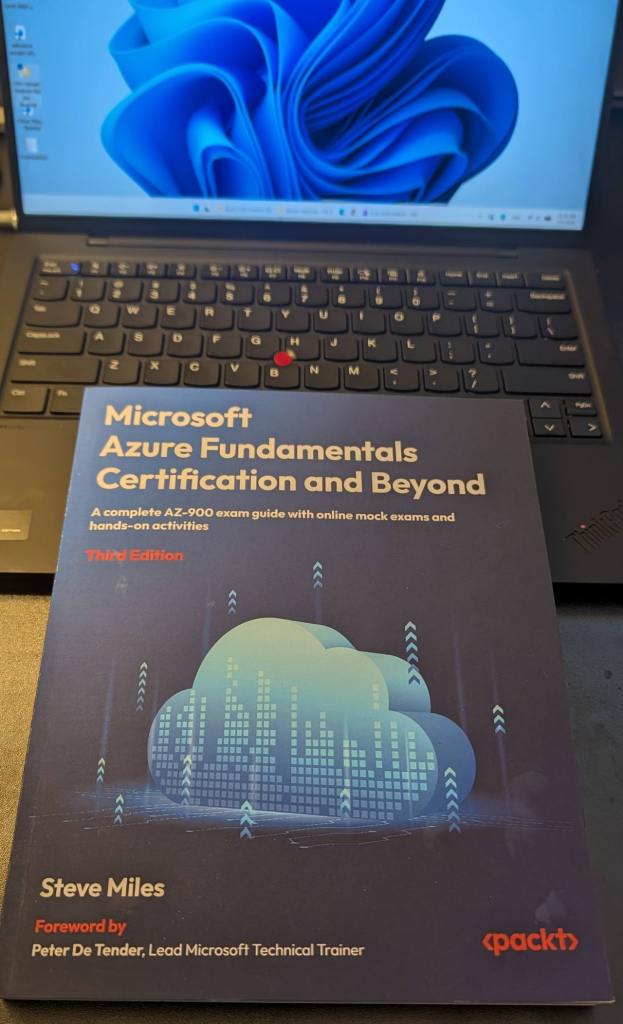
[๐—•๐—ผ๐—ผ๐—ธ ๐—š๐—ถ๐˜ƒ๐—ฒ๐—ฎ๐˜„๐—ฎ๐˜†] ๐— ๐—ถ๐—ฐ๐—ผ๐—ฟ๐—ผ๐˜€๐—ผ๐—ณ๐˜ ๐—”๐˜‡๐˜‚๐—ฟ๐—ฒ ๐—™๐˜‚๐—ป๐—ฑ๐—ฎ๐—บ๐—ฒ๐—ป๐˜๐—ฎ๐—น๐˜€ (๐—”๐—ญโ€‘๐Ÿต๐Ÿฌ๐Ÿฌ) โ€“ ๐Ÿฏ๐—ฟ๐—ฑ ๐—˜๐—ฑ๐—ถ๐˜๐—ถ๐—ผ๐—ปย 

Greeting to All Cloud Marathoners!

If youโ€™re starting your #Azure journey or guiding someone toward their first cloud certification, then this book deserves a spot on your desk.

what is Microsoft Azure Fundamentals?

โœ… Microsoft Azure Fundamentals is fully aligned with the January 2026 AZโ€‘900 skills update and does an excellent job of going beyond rote exam prep and into a real understanding of the cloud world.

I received this interesting book, “Microsoft Azure Fundamentals Certification and Beyond”, from Packt, authored by Steve Miles, Microsoft Azure & AI MVP and MCT.


How to win the book ruffle

[Spoiler] By liking ๐Ÿ‘, commenting ๐Ÿ’ฌ, and reposting โ™ป on this post, the 3๏ธโƒฃ lucky people will get an opportunity to receive a complimentary (#free) copy of the book next week.

๐ŸŽฏ You will be added to the pot for drawing till next Monday (May 11th)

what is covered in the book?

๐Ÿ” ๐—ช๐—ต๐—ฎ๐˜โ€™๐˜€ ๐—œ๐—ป๐˜€๐—ถ๐—ฑ๐—ฒ:
๐Ÿ”นClear, beginnerโ€‘friendly explanations using real-world Azure scenarios and analogiesโ€”not just definitions
๐Ÿ”นSolid coverage of cloud concepts, Azure architecture, core services, security, governance, and cost management in one place
๐Ÿ”นStrong emphasis on why and how Azure services are usedโ€”not just what they are
๐Ÿ”นBuiltโ€‘in access to mock exams, flashcards, exam timers, and handsโ€‘on labs, which is huge for confidence building before test day.

who will benefit from this book

๐ŸŽฏ Who this book is for:
โœ”๏ธ AZโ€‘900 candidates with no prior cloud experience
โœ”๏ธ Career switchers and students entering cloud roles
โœ”๏ธ Nonโ€‘technical and technical professionals who want a solid Azure foundation
โœ”๏ธ Anyone who wants skills that translate to real projects, not just passing an exam

๐Ÿ ๐—–๐—น๐—ผ๐˜‚๐—ฑ ๐— ๐—ฎ๐—ฟ๐—ฎ๐˜๐—ต๐—ผ๐—ป๐—ฒ๐—ฟ ๐˜๐—ฎ๐—ธ๐—ฒ๐—ฎ๐˜„๐—ฎ๐˜†

This book treats the AZโ€‘900 not as the finish line, but as the starting line. If your goal is to understand Azure well enough to have meaningful conversations, make smart decisions, and confidently take your first steps into cloud roles, this guide delivers.

If youโ€™re mentoring newcomers, teaching fundamentals, or leveling up yourself, this is a resource worth recommending.

๐Ÿ“Œ Check out the book info
๐Ÿ‘‰ https://lnkd.in/eaGPTAte #SharingIsCaring โค๏ธ

Reminder, the lucky ๐Ÿคž 3๏ธโƒฃ readers of this post who commented + re-posted will be notified via LinkedIn message.

Subscribe to the #CloudMarathoner LinkedIn #tag ๐Ÿ‘๐Ÿ‘€
Stay tuned for more Cloud, AI, Automation & Security-related posts.

๐™๐™ค๐™ก๐™ก๐™ค๐™ฌ ๐™ข๐™š ๐ŸŽฏ ๐™–๐™ฃ๐™™ ๐™—๐™š๐™˜๐™ค๐™ข๐™š ๐™– #๐˜พ๐™ก๐™ค๐™ช๐™™๐™ˆ๐™–๐™ง๐™–๐™ฉ๐™๐™ค๐™ฃ๐™š๐™ง โ›…๐Ÿƒโ€โ™‚๏ธ๐Ÿƒโ€โ™€๏ธ – ๐™‡๐™€๐™’๐™Ž ๐˜พ๐™Š๐™‰๐™‰๐™€๐˜พ๐™

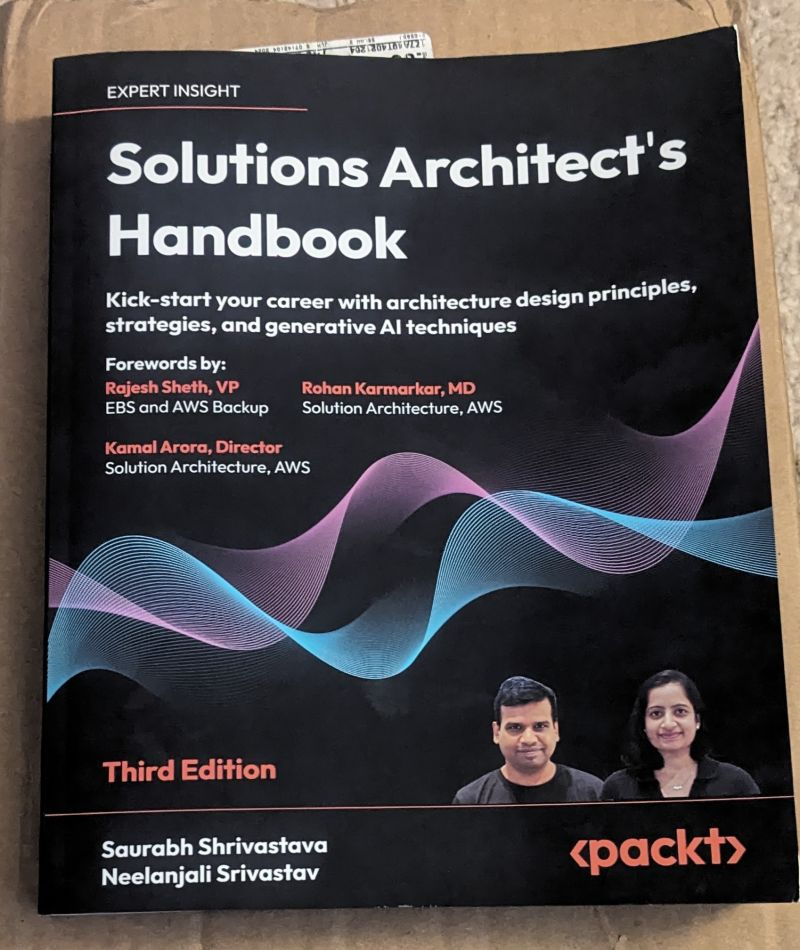
Book Giveaway: “Solution Architect’s Handbook” ruffle results for the #CloudMarathoner community

Hi, my dear Cloud Marathoner community!

A few weeks ago, I received an AWS book from Packt – “Solution Architect’s Handbook”, authored by Saurabh Shrivastava and Neelanjali Srivastav. This post will share my review with the #CloudCommunity.

The third edition of theย Solutions Architectโ€™s Handbookย is an invaluable resource for cloud engineers, developers, and architects. The book provides much-needed guidance on embracing cloud-native architectures and microservices. It addresses the urgent need for operational resiliency, disaster recovery, and business continuity, making it a must-have for professionals navigating the complexities of todayโ€™s cloud-centric environment.


The bookโ€™s comprehensive coverage spans from cloud migration and modernization to the cutting edge of machine learning and GenAl. It skillfully bridges the gap between legacy modernization, including mainframe considerations, and the latest in GenAl foundation models and tools. This deep dive into the trends shaping the future of architectural design is both enlightening and practical.

What sets this book apart?

What sets theย Solutions Architectโ€™s Handbookย apart is its holistic approach. It covers a wide range of crucial aspects, from functional architectures and integration to extensibility, reusability, usability, accessibility, cost management, and security. The breadth of topics and practical insights make it a must-read for both aspiring and seasoned architects.

About Author

Authored by Saurabh and Neelanjali, who bring their rich experience to the table, this handbook provides much-needed guidance for those striving to excel in the evolving landscape of solution architecture. It offers a forward-looking perspective on distributed application development and the rapid embrace of cloud-native solutions, reflecting the shifting paradigms in technology architecture and evolving project needs.

๐Ÿ“Œ Check out my social media post on LinkedIn page here.
#SharingIsCaring โค๏ธ

As I already announced, the lucky ๐Ÿคž 5๏ธโƒฃ readers of this post will be notified via LinkedIn message.

As always, subscribe to the #CloudMarathoner LinkedIn #tag ๐Ÿ‘๐Ÿ‘€
Stay tuned for more Cloud, Automation & and Security-related posts.

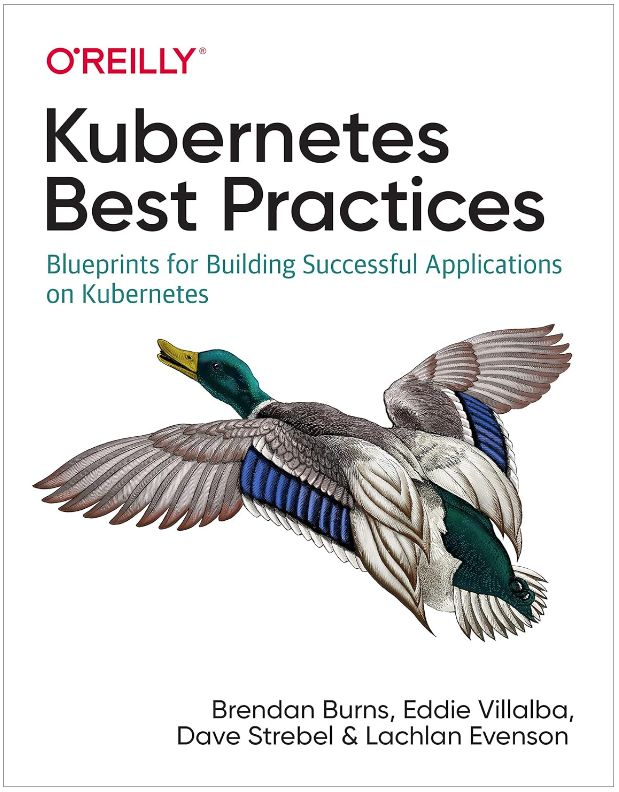
[Book Review] What you need to know about Kubernetes Best Practices: Blueprints for Building Successful Applications on Kubernetes, 2nd edition โ‰ ๐Ÿค”

Hello friends,

A few weeks ago, I received a book from Microsoft – “Kubernetes Best Practices: Blueprints for Building Successful Applications on Kubernetes”, authored by Brendan BurnsEdward VillalbaDavid Strebel and Lachlan Evenson, and in this post, I will review and share my observations and impressions with the #cloud#community.

The key strength of Kubernetes lies in its modularity and versatility. Virtually any type of application you aim to deploy can be accommodated within the Kubernetes framework, and it can handle a wide range of adjustments or optimizations to meet your specific requirements.

However, this adaptability and generality do come with a trade-off – a moderate level of complexity. It’s essential to have a solid grasp of how Kubernetes’ APIs and components function to unlock its full potential for simplifying application development, management, and deployment. Equally critical is understanding how to seamlessly integrate Kubernetes with various external systems, such as on-premise databases and continuous delivery pipelines, to make it a practical solution in real-world scenarios.

Throughout this book, authors strived to offer insights based on real-world experience, covering topics that are likely to be encountered by cloud engineers and developers, whether they are new to Kubernetes or seasoned administrators. Whether you’re exploring a new area to become an expert or seeking a refresher on familiar challenges, authors aim is to facilitate your learning journey.

By following these best practices, you can tap into authors’ collective experience to avoid common pitfalls, enhance performance and security, and gain the confidence to maximize the benefits of Kubernetes.

Thank you for reading my short review of the book, as it looks like a solid resource for real-world endeavors of cloud engineering and development!

Did you read any related book recently that made an impact on youโ“
Please, share your feedback in the comments ๐Ÿ’ฌ

Please, check my LinkedIn post to share your feedback. Thanks.

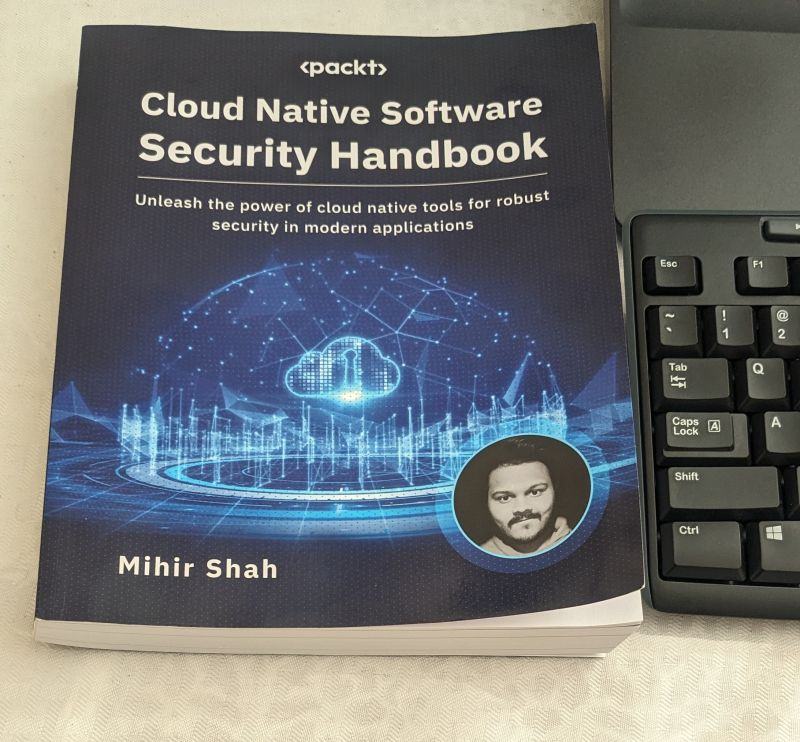
[Book Review] What you need to know about Cloud Native Software ๐Ÿ” Security Handbook โ‰ ๐Ÿค”

Hello, Cloud Marathoners!

A couple of days ago, I received a book from Packt – “Cloud Native Software Security Handbook”, authored by Mihir Shah and in this post, I will review and share my observations and impressions with the #cloud#community.

This book starts covering the Foundations of Cloud Native by exploring the tools and platforms offered by CNCF while providing a high-level stage for the rest of the book. Subsequently, the author dives into explaining AppSec culture and how to approach security implementation in cloud-native environments primarily using toolings like K8S, Calico, K9s, Falco, OPA Gateway, and others which I will be mentioning below.

I liked the Cloud Security Operation chapter where open-source tooling sets like Elasticsearch, Fluentd, Kibana, Prometheus, Helm, and K8S have been used to streamline security operations with automation playbooks to minimize human interventions and errors.

In addition, this book covers legal, compliance, and vendor management aspects of cloud-native software security by emphasizing its hidden cost and importance as important as mastering technical skills.

This book also provides code samples, available for online access which is a big plus.

My suggestion would be the addition of more advanced use cases and code samples in the second edition of this book.

Did you read any related book recently that made an impact on youโ“
Please, share your feedback in the comments ๐Ÿ’ฌ

Please, check myย LinkedIn postย to share your feedback. Thanks!