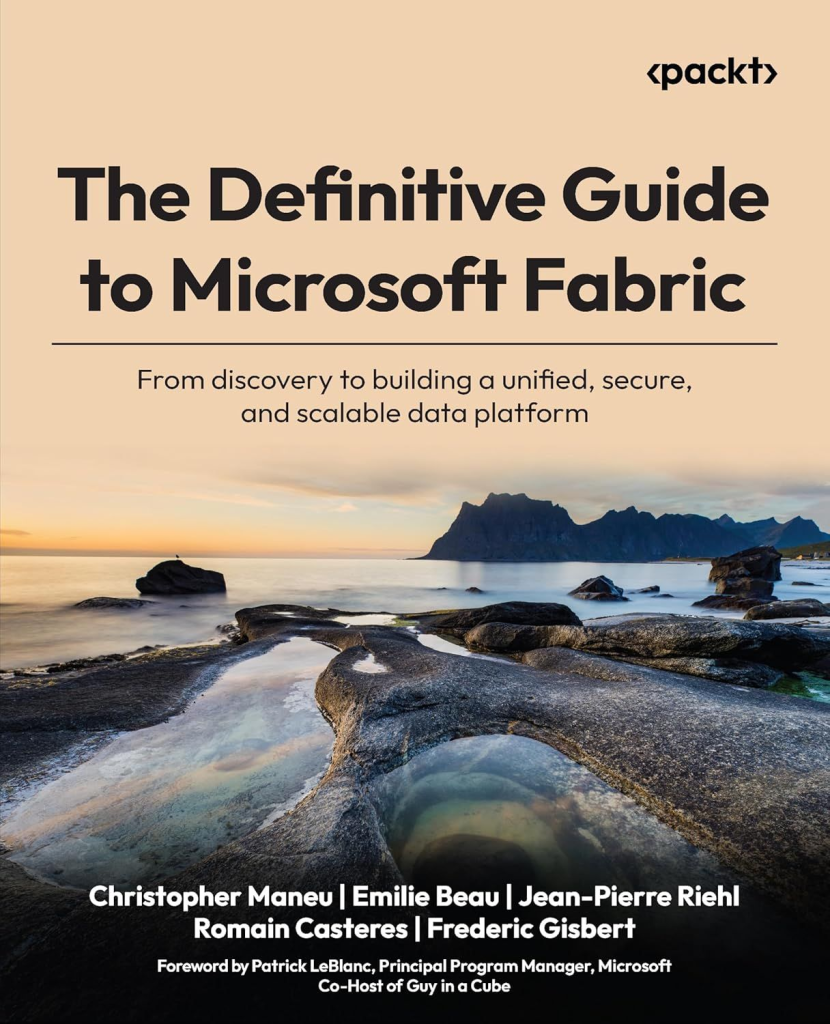
[Book Giveaway] ๐—ง๐—ต๐—ฒ ๐——๐—ฒ๐—ณ๐—ถ๐—ป๐—ถ๐˜๐—ถ๐˜ƒ๐—ฒ ๐—š๐˜‚๐—ถ๐—ฑ๐—ฒ ๐˜๐—ผ ๐— ๐—ถ๐—ฐ๐—ฟ๐—ผ๐˜€๐—ผ๐—ณ๐˜ ๐—™๐—ฎ๐—ฏ๐—ฟ๐—ถ๐—ฐ

Hello Cloud Marathoners!

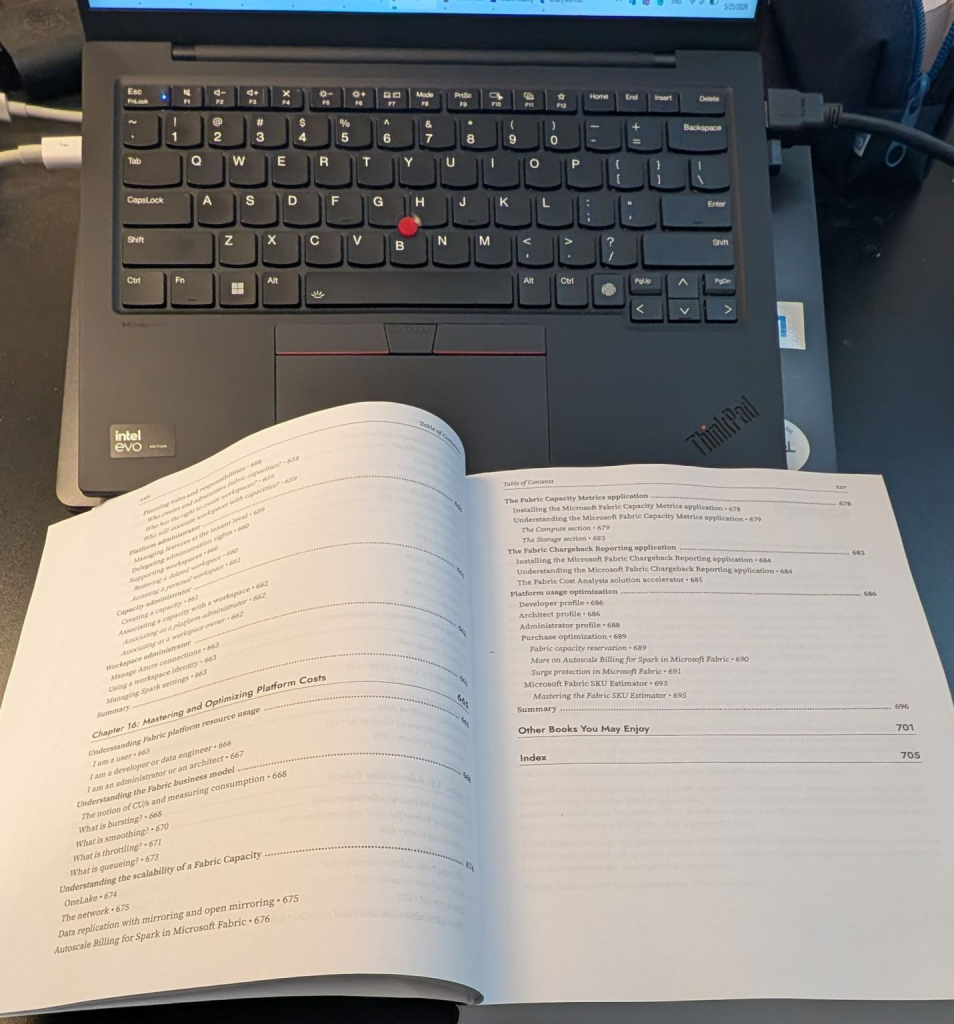
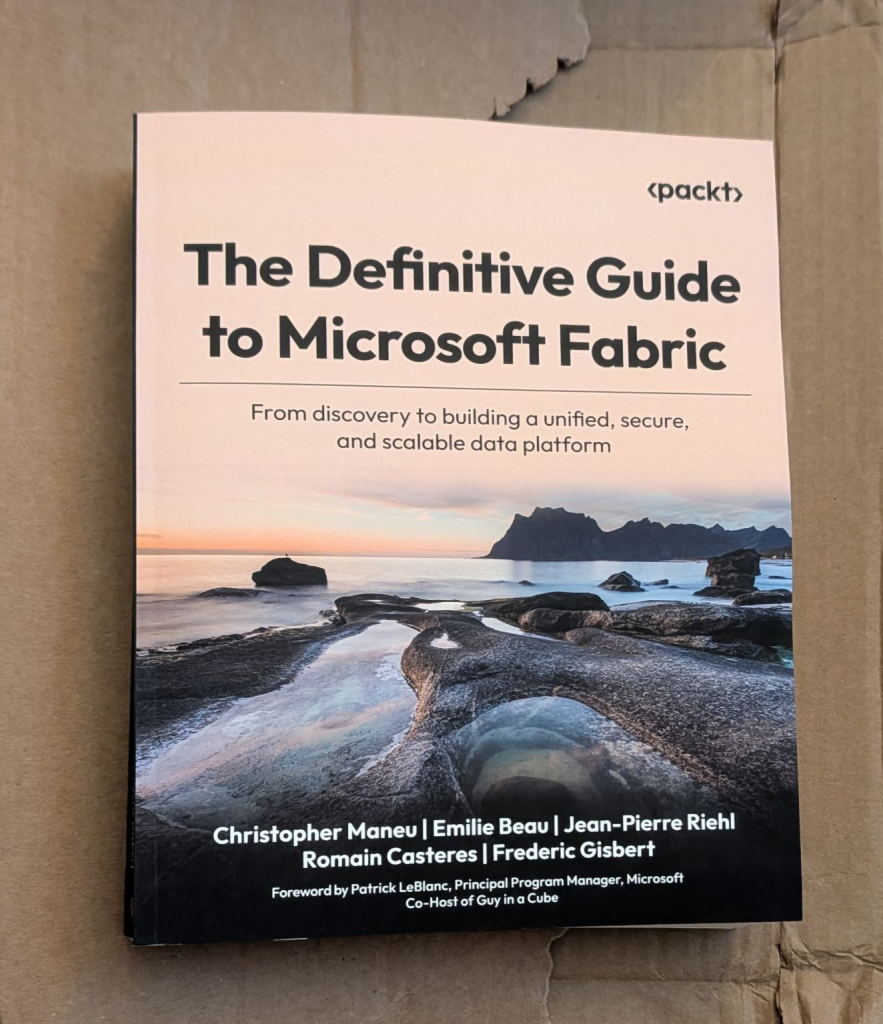
I got an opportunity to work with Packt publishing to review a new book on Microsoft Fabric. I am excited to share my first impression and announce a giveaway for three lucky #CloudMarathoner community members who can get this book via raffle on June 5th.
Brief A Cloud Marathoner Review

There is a moment many of us have experienced. You spend hours following a tutorial. Step by step. Everything works. You feel productive.
And thenโ€ฆ a few days later, you realize something is off.

You need to start over. Not because you did something wrongโ€”but because you didnโ€™t fully understand what you built.

If this sounds familiar, youโ€™re not alone. And honestly, this is one of the biggest silent lessons in tech: speed without understanding often leads to rework.

That is exactly why The Definitive Guide to Microsoft Fabric caught my attentionโ€”and why I wanted to share it with the Cloud Marathoner community.

What is Microsoft Fabric?

Letโ€™s simplify it: Microsoft Fabric is a unified data and analytics platform.

Instead of working with multiple disconnected services, Fabric brings everything together; data ingestion, storage, transformation, analytics, AI, and visualizationโ€”into a single integrated experience.

Think about it this way:

  • One place to store your data (OneLake)
  • One platform to process and transform it
  • One ecosystem to build insights, reports, and intelligent solutions

Microsoft Fabric includes capabilities like:

  • Data Factory (data integration)
  • Data Engineering & Data Science
  • Real-Time Analytics
  • Data Warehouse
  • Power BI for visualization

The biggest shift here is not just about toolsโ€”itโ€™s about mindset:

Moving from fragmented solutions to a unified, scalable, and governed data platform.

And that is where many people struggle with understanding how everything fits together in Microsoft Fabric.

How to WIN the book raffle

As part of the Cloud Marathoner journey, I always try to give back to the communityโ€”not just through content, but through opportunities. For this book, I organized a simple giveaway:

๐ŸŽฏ 3 lucky winners received a free copy

To participate, community members could:

  • Liked ๐Ÿ‘ the post
  • Commented ๐Ÿ’ฌ
  • Reposted โ™ป๏ธ

Why do I do this?

Well, because learning should be accessible. Sometimes, the difference between โ€œI want to learn thisโ€ and โ€œI actually startedโ€ is a single opportunityโ€”a book, a resource, a push, or a community moment.

As my dear friends, you know that Cloud Marathoner is not just about content. It is more about:

  • Encouraging continuous learning
  • Supporting each otherโ€™s journeys
  • Creating opportunities together

And as always, we grow faster when we grow together by helping each other to keep the momentum rolling.

What is covered in this book

What makes this book stand out is the depth and structure. It doesnโ€™t just teach how to use Microsoft Fabric, it goes well beyond by explains why things work the way they do. Basically, this book takes you on a full journey by beginning with:

๐Ÿ”น Foundations and Getting Started
  • It starts with What Microsoft Fabric is?
  • Core architecture concepts
  • Real-world use cases
  • Setting up your first environment

Next it continues with the most important sections of OneLake and UDD:

๐Ÿ”น OneLake and Unified Data Design
  • The lakehouse concept
  • Data organization strategies
  • OneLake as the unified data layer
  • Governance and security structures
  • Data mesh architecture approaches
๐Ÿ”น Data Ingestion & Transformation

This section explores multiple approaches to ingesting and shaping data where you learn practical and applicable scenarios in real-world:

  • Pipelines and orchestration
  • Notebooks (Spark-based engineering)
  • Real-time ingestion
  • Dataflows (low-code transformations)
  • SQL and Spark transformations
  • Even AI-assisted workflows with Copilot

Then it follows with a section that helps you stop guessing and start making informed decisions.

๐Ÿ”น Analytics, Real-Time Processing, and Architecture Decisions
  • Differences between data warehouse and lakehouse
  • Real-time analytics and event streaming
  • Time-series data and alerting patterns
  • When to use which architectural pattern
๐Ÿ”น Advanced Topics: AI, Governance, and Optimization

Finally, the book goes beyond building solutions by focusing on each aspect of your solution(s):

  • AI and machine learning integration
  • Semantic modeling and reporting
  • Governance and compliance
  • Security best practices
  • Cost optimization at scale
  • DevOps & DataOps principles

This is what transforms a solution into a production-ready platform.

Who will benefit from this book

This book is designed for a wide range of learners, including but not limited to:

  • Data engineers
  • Analytics engineers
  • Cloud and data architects
  • Analysts moving into design roles
  • Technical leaders working on modern data platforms

From a Cloud Marathoner perspective, I would break it down to simple three roles that you might associated with. Namely; Beginner. Practitioner and more advanced role such as Architect.
You will like this book as beginner, if youโ€™re overwhelmed by scattered tutorials, this book gives you structure and clarity.

You will like this book as practitioner, if you already work in Azure, Power BI, or data platforms, this helps you connect the dots across services.

You will like this book as architect, if you design systems, this book helps you think in terms of:

  • scalability
  • governance
  • platform design
  • long-term strategy

You donโ€™t need to know everything to start, just a basic understanding of databases, SQL, and Python would be enough to get started.

๐Ÿ ๐—–๐—น๐—ผ๐˜‚๐—ฑ ๐— ๐—ฎ๐—ฟ๐—ฎ๐˜๐—ต๐—ผ๐—ป๐—ฒ๐—ฟ ๐˜๐—ฎ๐—ธ๐—ฒ๐—ฎ๐˜„๐—ฎ๐˜†

Here is the biggest lesson I took from this book:

Donโ€™t just follow steps โ€” understand the system.

In my experience, the people who grow fastest in tech are not the ones who complete the most tutorials. They are the ones who take time to understand the โ€œwhyโ€ behind the โ€œhow.โ€

This book reinforces something I believe deeply:

  • Strong fundamentals = less rework
  • Better understanding = better decisions
  • Deep learning = long-term confidence

And that aligns perfectly with the Cloud Marathoner mindset:

๐Ÿƒ Learn deeply
๐Ÿ” Improve continuously
๐ŸŽฏ Build with confidence

Because in the end, this is not a sprint. Itโ€™s a marathon.

๐Ÿ’ฌ Keep me posted with your feedback

  • Are you currently learning Microsoft Fabric?
  • What challenges are you facing?
  • Have you ever had to redo work because of missing fundamentals?

Drop your thoughts, share your journey, and letโ€™s keep building together.

Because every step forward, no matter how small or tiny, is part of the progress in your brave marathon!

๐Ÿ“Œ Check out the book info ๐Ÿ‘‰ https://packt.link/TjLs6
#SharingIsCaring โค๏ธ

Reminder, the lucky ๐Ÿคž 3๏ธโƒฃ readers of this post who commented + re-posted will be notified via LinkedIn message.

Subscribe to the #CloudMarathoner LinkedIn #tag ๐Ÿ‘๐Ÿ‘€
Stay tuned for more Cloud, AI, Automation & Security-related posts.

๐™๐™ค๐™ก๐™ก๐™ค๐™ฌ ๐™ข๐™š ๐ŸŽฏ ๐™–๐™ฃ๐™™ ๐™—๐™š๐™˜๐™ค๐™ข๐™š ๐™– #๐˜พ๐™ก๐™ค๐™ช๐™™๐™ˆ๐™–๐™ง๐™–๐™ฉ๐™๐™ค๐™ฃ๐™š๐™ง โ›…๐Ÿƒโ€โ™‚๏ธ๐Ÿƒโ€โ™€๏ธ – ๐™‡๐™€๐™’๐™Ž ๐˜พ๐™Š๐™‰๐™‰๐™€๐˜พ๐™

Update:

๐Ÿ“Œ Check my LinkedIn post to learn about 3 lucky winners of the #book #giveaway. Thank you all for participating!!!
How Did I Renew the Microsoft Power BI Data Analyst Certification?

Hello Cloud Marathoners !

As a Cloud Marathoner, the journey never stops!
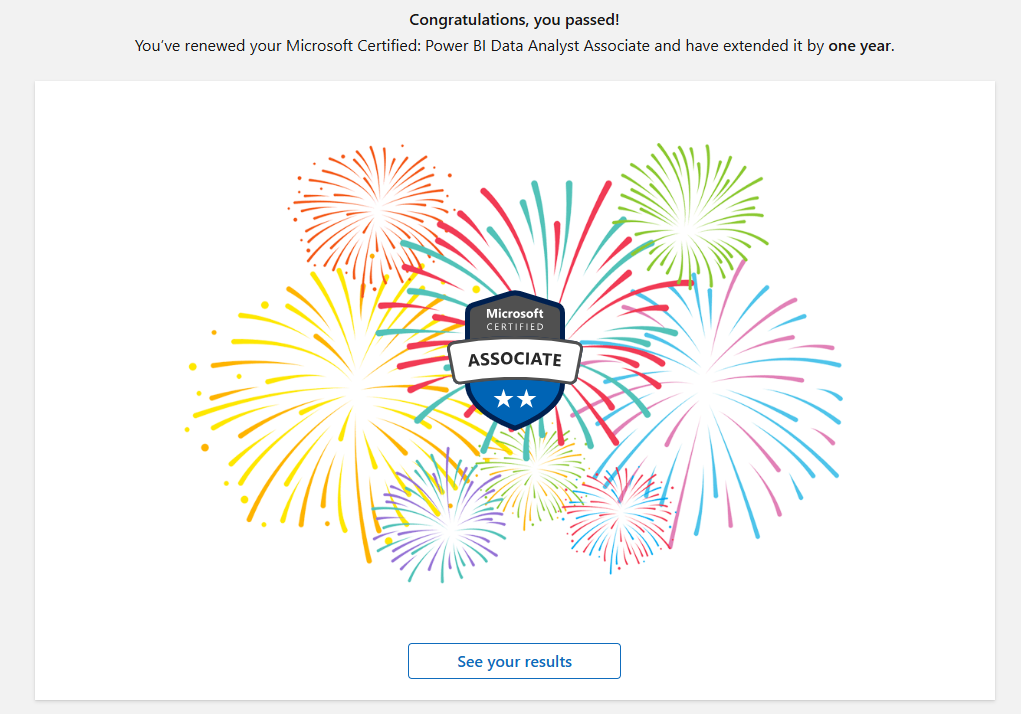
Recently, I renewed my Microsoft Certified: Power BI Data Analyst Associate certification, and I want to share the experience so you can prepare for yours.

Why Renewal Is Important

Microsoft certifications are valid for one year, and renewal ensures your skills stay aligned with the latest Power BI updates. The renewal process is free, online, and proctoredโ€”perfect for professionals who want flexibility without scheduling hassles.

The Renewal Process and eligibility

Hereโ€™s what I learned from the official Microsoft learn site.

  • Eligibility: You can renew within six months before expiration.
  • Assessment: A short, open-book online assessment focused on recent Power BI updates.

  • Skills Measured:
    • Clean, transform, and load data in Power BI
    • Configure semantic models
    • Use DAX time intelligence and modify filter context
    • Optimize models for performance
    • Create visual calculations and enhance report designs
    • Manage workspaces and secure data access in Power BI Service

  • Attempts: Unlimited until expiration, with a 24-hour wait between retakes.
  • Validity: Passing extends your certification by one year.

Preparation Tips

Microsoft provides a curated learning collection (about 11 hours) to help you prepare. I recommend:

  • Reviewing DAX fundamentals and performance optimization.
  • Practicing workspace management and security settings.
  • Exploring visual design enhancements for better user experience.

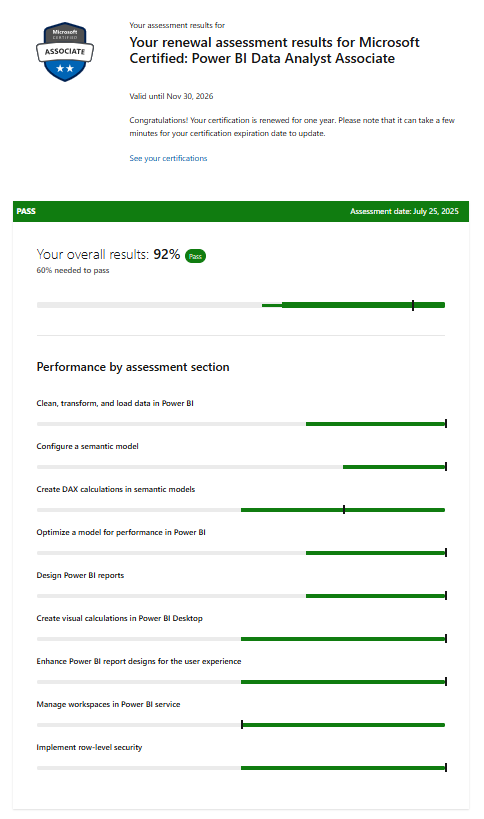
My Experience and Exam results

The renewal was straightforward with the following simple, and known steps:

  • Logged into Microsoft Learn, clicked Renew.
  • Took the assessment.
  • Passed on the first attempt! ๐ŸŽ‰

The best part? No stress, just focused learning and validation of current skills.

Key Takeaways

  • Start earlyโ€”donโ€™t wait until the last week.
  • Use Microsoftโ€™s official learning paths for prep.
  • Treat renewal as an opportunity to refresh your knowledge and stay ahead.

Are you planning to renew your Power BI Data Analyst Certification soon?

Drop your thoughts in the comments or share your experience with the Cloud Marathoner community!

Session about Architecting ๐Ÿš€ a Modern Analytics Cloud Data Platform with Warner

Hello Cloud Marathoners,

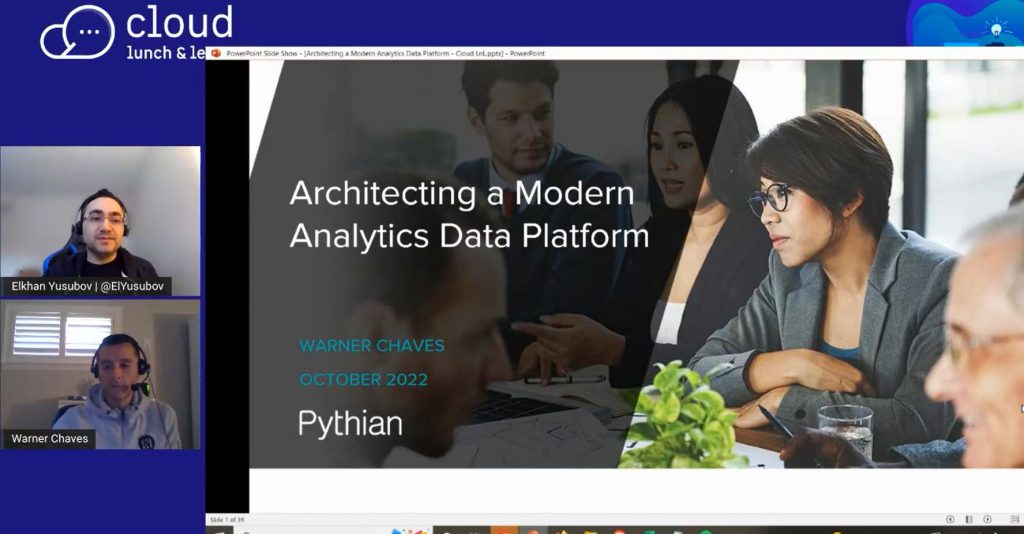
Yesterday, we had an engaging session on Cloud Lunch and Learn meetup about Azure Architecture, particularly for Modern Analytics Cloud Data Platform with Warner Chaves.

Modern Analytics

In this post, I will reflect upon some major points in this presentation and architecting session.

Session details and recorded YT link

What was covered?

Our guest speaker covered the following topics in his presentation:

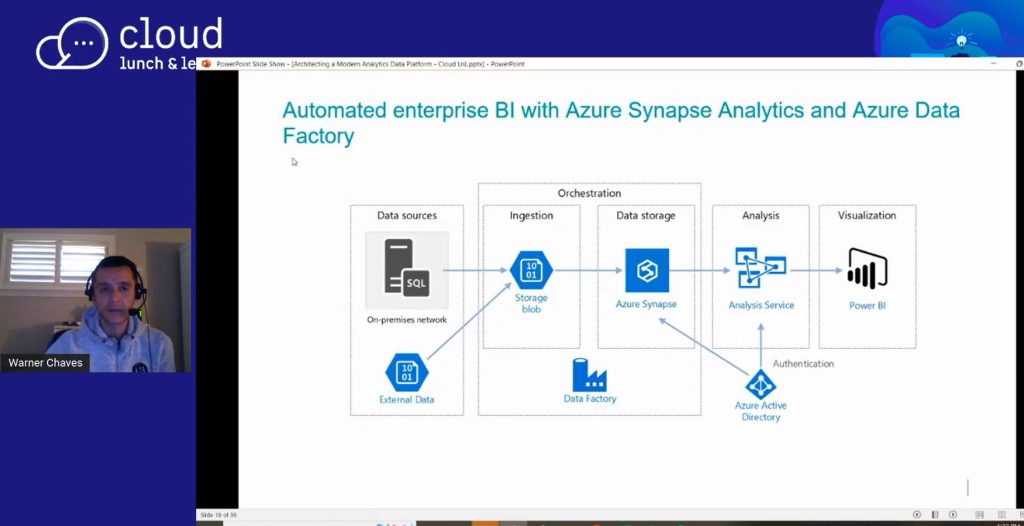
  • Reference architecture for modern analytics platforms
  • Data Warehousing
  • Big Data
  • Lakehouse
  • Data Mesh and more in Microsoft Azure

Summary

At the end of the session, we had an interactive Q&A (Questions and Answers). Please check the recording and referenceย links as the recording is uploaded to the Cloud Marathoner YT channel.

Thank you for stopping by and checking this session!

Study Guide AZ-305: Part 10 – Design a data integration solution

Hi Cloud Marathoners!

Welcome to the 10th blog post (Part 10/12) of the Azure Architect series to help you get ready for the AZ-305 exam. This post finalizes the third section of this exam – Design Data Storage Solutions.

Our next post will be discussing the last section of this exam – Design Business Continuity Solutions.

And please feel free to check the previous blog posts listed below if you landed on this page for the first time ๐Ÿ™‚

Table of content (blog series)

What is the Data Integration ?

It is very natural to wonder – “what is the meaning of data integration”?
In a nutshell, it is a combination of differently sourced data for a high-level overview and analysis. In other words, “Data Integration” – is a common term referring to the requirement to combine data from multiple separate business systems into a single unified view, also known as a single view of the truth.

This unified view is typically stored in a central data repository known as a data warehouse.

Data integration can serve your organization some short- and long-term benefits, including the followings:

โœ”๏ธ Better Data
โœ”๏ธ Better Collaboration
โœ”๏ธ Fast connections between Data Storage
โœ”๏ธ Increased efficiency and ROI
โœ”๏ธ Better customer and partner experiences
โœ”๏ธ A more comprehensive view of your business

Trinamix Cloud Integration solutions with third party software and Oracle  Cloud SaaS applications. - Trinamix

What are the Data Integration solutions in Microsoft Azure?

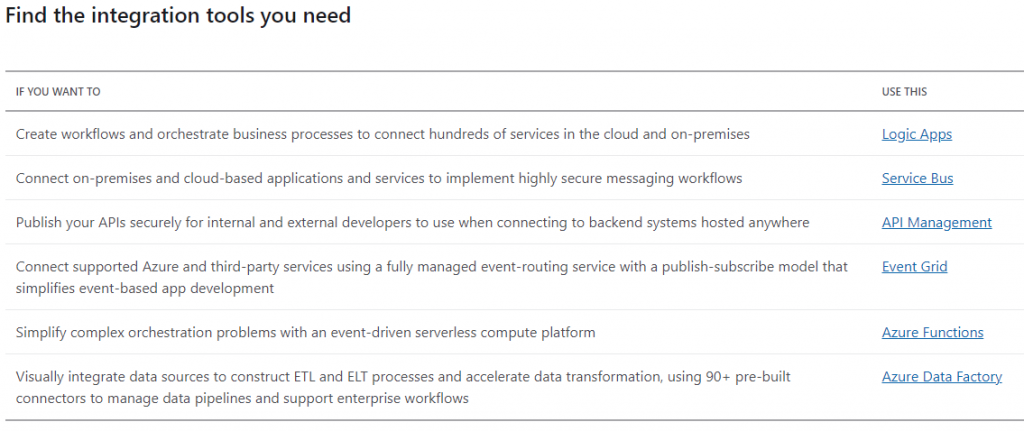
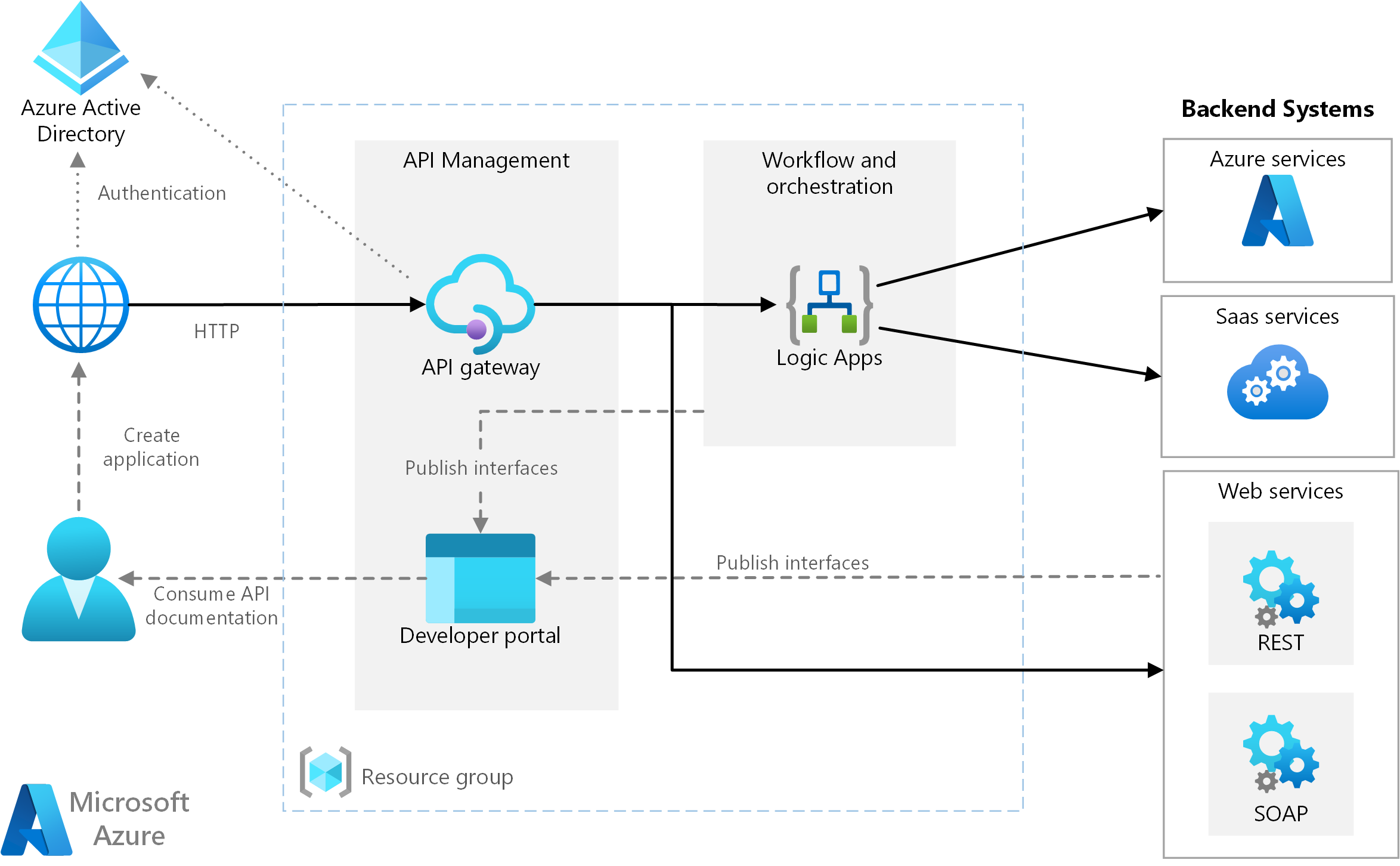
Application integration often requires connecting multiple independent systems, often in complex ways. This white paper explains how the components of Azure Integration Servicesโ€”API Management, Logic Apps, Service Bus, and Event Gridโ€”work together to provide a complete solution for integrating both cloud and on-premises applications.

Azure Integration Services


There are several Azure services such as Azure Functions, Azure Data Factory, and Azure Logic Apps are just a few of the services that can help you efficiently solve complex data challenges.


Check out the Overview of Data Integration in Azure from this official resource.

Basic enterprise integration on Azure - Azure Architecture Center |  Microsoft Docs

Part 10: Design a data integration solution

The references below are taken from official Microsoft docs and focused on designing Data Integration solutions in Azure. You could also find it helpful to check the Microsoft docs and learning paths with [Tutorials] below ๐Ÿ˜‰.

This collection of links is gathered with a focus on the exam objectives of the AZ-305 certification exam.

What is Azure Logic Apps?
Azure Logic Apps documentation
What is Azure Service Bus?
Azure Service Bus Messaging documentation
[Tutorials] Azure Logic Apps on Microsoft Learn
[Tutorials] Azure Service Bus on Microsoft Learn
Introduction to Azure Functions
Azure Functions documentation
[Tutorials] Azure Functions on Microsoft Learn

About API Management
API Management documentation
[Tutorials] API Management on Microsoft learn
What is Azure Event Grid?
Azure Event Grid documentation
[Tutorials] Azure Event Grid on Microsoft Learn

Azure Data Factory
Azure Data Factory documentation
[Tutorials] Azure Data Factory on Microsoft Learn
Introduction to Azure Data Lake Storage Gen2
Overview of Azure Stream Analytics Cluster
Azure Stream Analytics documentation

Transact-SQL features supported in Azure Synapse SQL
Introducing data virtualization with PolyBase
Azure Data Lake
Analytics end-to-end with Azure Synapse
[Tutorial] Implement a Data Streaming Solution with Azure Streaming Analytics
Azure Synapse SQL architecture
What is Azure Synapse Analytics?

[Tutorial] Explore Azure database and analytics services
[Tutorial] Data integration at scale with Azure Data Factory or Azure Synapse Pipeline
What is Azure Databricks?
[Blog] 4 common analytics scenarios to build business agility

SUMMARY

Thank you for visiting the AZ-305 Study Guide and checking the Part 10: Design a data integration solution.

The next blog post will be continuation with Part 11: Design a business continuity solution.