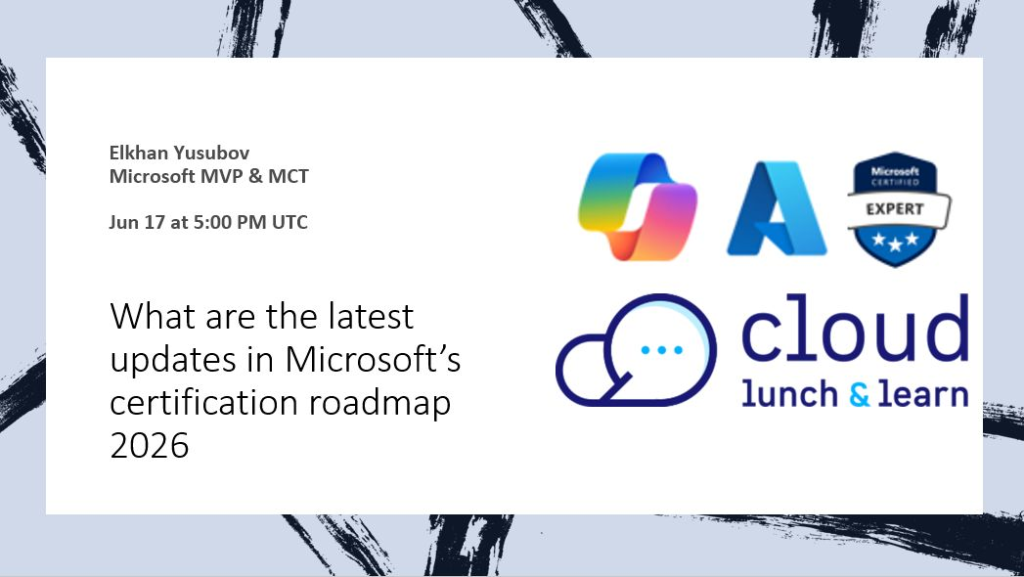
It might feel a bit overwhelming on where you should start or continue your Cloud and AI learning journey to stay ahead of the competition. This blog post reflects on my recent Cloud Lunch and Learn session that targets to answer and help you with this question.
Where should you start?
Note: If you are more interested in watching the session then please check this session below:
Artificial Intelligence is no longer something we simply read about in tech news.
It is already here.
It is in our productivity tools. It is in our cloud platforms. It is in our security workflows. It is in our data platforms. It is changing how developers build, how administrators operate, how architects design, and how business users make decisions.
And here is the exciting part: you do not need to be an AI expert to start your AI learning journey. You just need curiosity, consistency, and the right roadmap.
I always believe that one of the best ways to grow in technology is to make learning practical, simple, and accessible. That is why I am excited to host a beginner-friendly community session focused on the Microsoft AI certification roadmap in 2026.
What this session covers?
We focus on key Microsoft AI learning paths, including Azure AI Fundamentals, role-based AI certifications, Microsoft Applied Skills, and how AI connects with Azure, Microsoft Foundry, Copilot, Data, Security, DevOps, and business transformation.
The goal is not just to earn another certification and badge. Our goal is to build confidence, validate real-world skills, and prepare for the AI-powered workplace.
As always, if you are new to AI, start with the fundamentals. If you already work in cloud, DevOps, data, security, or development, this is your opportunity to connect your existing skills with modern AI solutions.
Learning AI may feel overwhelming, but it does not have to be. Start small, stay consistent, use Microsoft Learn, join community sessions, and keep growing one step at a time.
what is AI Skills Navigator?
In addition, check out the new Microsoft AI Skills Navigator portal. It is designed as a guided, personalized AI learning platform that helps new learners start and grow their AI journey with clarity and confidence. In simple terms, it helps learners to understand what to learn, follow the right path, and build real AI skills, without getting lost in the internet.
Remember, learning is a marathon, not a sprint. See you in the session, Cloud Marathoners!
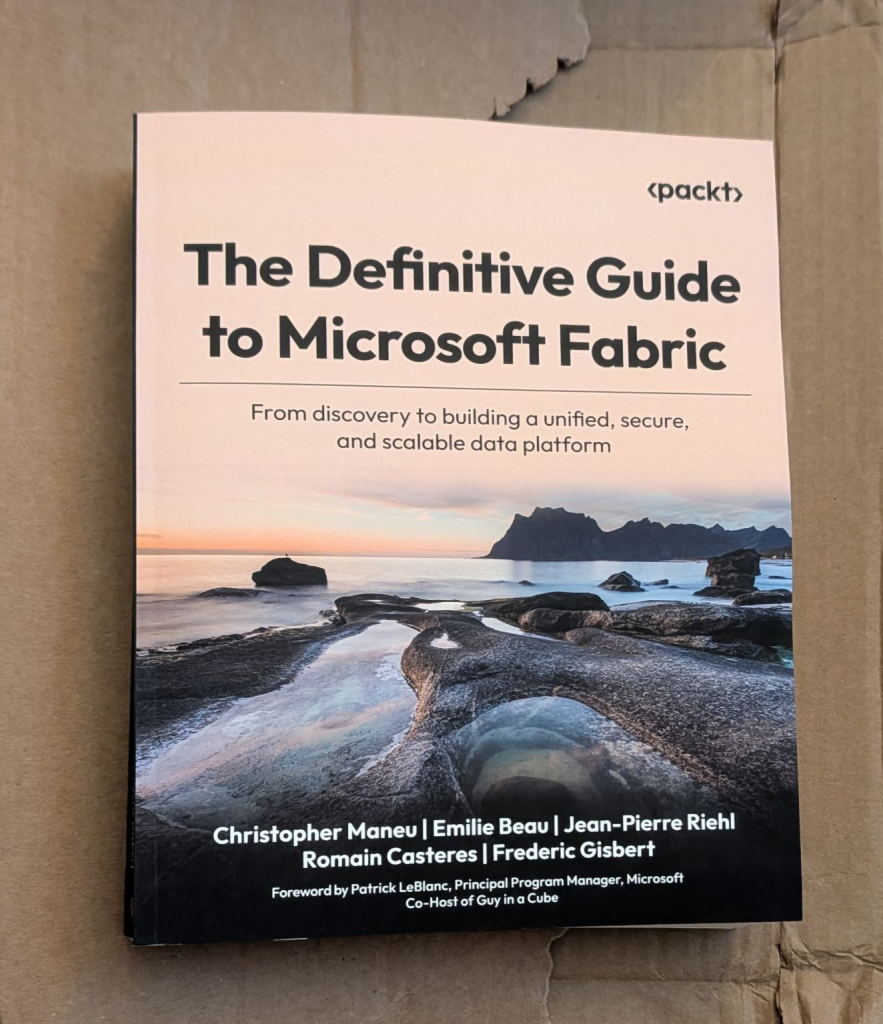
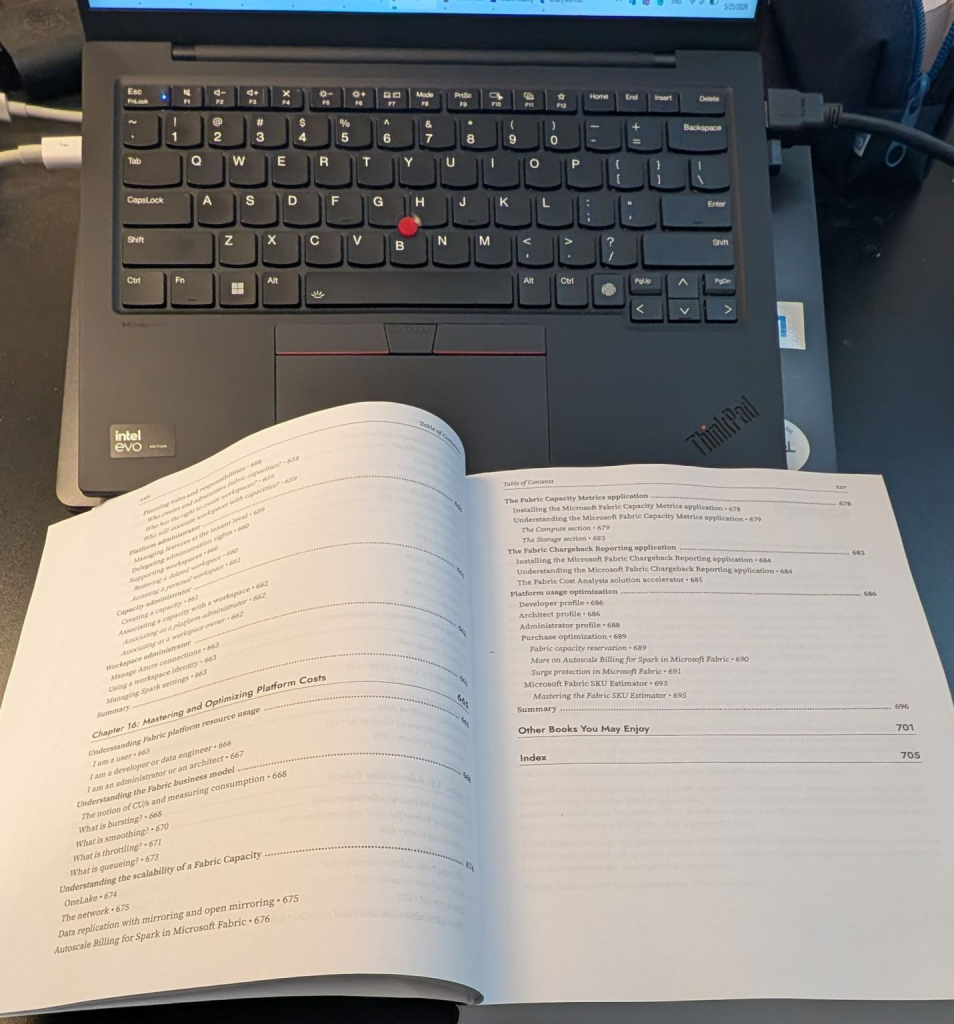
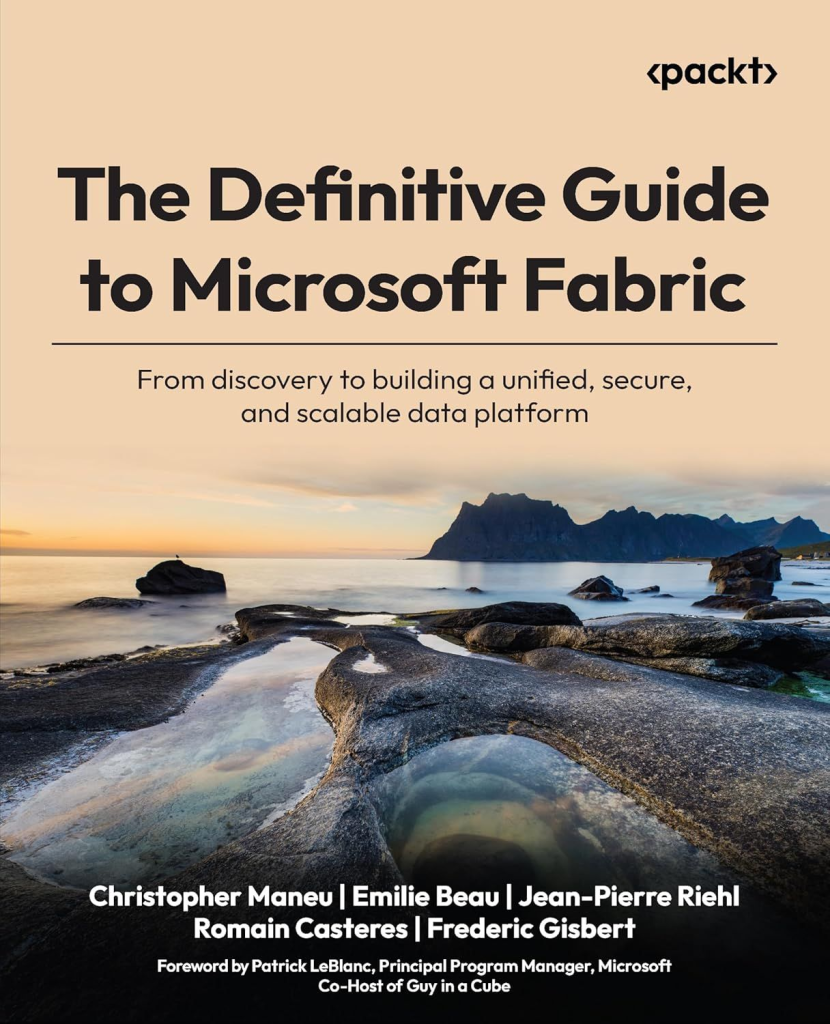
I got an opportunity to work with Packt publishing to review a new book on Microsoft Fabric. I am excited to share my first impression and announce a giveaway for three lucky #CloudMarathoner community members who can get this book via raffle on June 5th.
Brief A Cloud Marathoner Review
There is a moment many of us have experienced. You spend hours following a tutorial. Step by step. Everything works. You feel productive. And then… a few days later, you realize something is off.
You need to start over. Not because you did something wrong—but because you didn’t fully understand what you built.
If this sounds familiar, you’re not alone. And honestly, this is one of the biggest silent lessons in tech: speed without understanding often leads to rework.
That is exactly why The Definitive Guide to Microsoft Fabric caught my attention—and why I wanted to share it with the Cloud Marathoner community.
What is Microsoft Fabric?
Let’s simplify it: Microsoft Fabric is a unified data and analytics platform.
Instead of working with multiple disconnected services, Fabric brings everything together; data ingestion, storage, transformation, analytics, AI, and visualization—into a single integrated experience.
Think about it this way:
One place to store your data (OneLake)
One platform to process and transform it
One ecosystem to build insights, reports, and intelligent solutions
Microsoft Fabric includes capabilities like:
Data Factory (data integration)
Data Engineering & Data Science
Real-Time Analytics
Data Warehouse
Power BI for visualization
The biggest shift here is not just about tools—it’s about mindset:
Moving from fragmented solutions to a unified, scalable, and governed data platform.
And that is where many people struggle with understanding how everything fits together in Microsoft Fabric.
How to WIN the book raffle
As part of the Cloud Marathoner journey, I always try to give back to the community—not just through content, but through opportunities. For this book, I organized a simple giveaway:
🎯 3 lucky winners received a free copy
To participate, community members could:
Liked 👍 the post
Commented 💬
Reposted ♻️
Why do I do this?
Well, because learning should be accessible. Sometimes, the difference between “I want to learn this” and “I actually started” is a single opportunity—a book, a resource, a push, or a community moment.
As my dear friends, you know that Cloud Marathoner is not just about content. It is more about:
Encouraging continuous learning
Supporting each other’s journeys
Creating opportunities together
And as always, we grow faster when we grow together by helping each other to keep the momentum rolling.
What is covered in this book
What makes this book stand out is the depth and structure. It doesn’t just teach how to use Microsoft Fabric, it goes well beyond by explains why things work the way they do. Basically, this book takes you on a full journey by beginning with:
🔹 Foundations and Getting Started
It starts with What Microsoft Fabric is?
Core architecture concepts
Real-world use cases
Setting up your first environment
Next it continues with the most important sections of OneLake and UDD:
🔹 OneLake and Unified Data Design
The lakehouse concept
Data organization strategies
OneLake as the unified data layer
Governance and security structures
Data mesh architecture approaches
🔹 Data Ingestion & Transformation
This section explores multiple approaches to ingesting and shaping data where you learn practical and applicable scenarios in real-world:
Pipelines and orchestration
Notebooks (Spark-based engineering)
Real-time ingestion
Dataflows (low-code transformations)
SQL and Spark transformations
Even AI-assisted workflows with Copilot
Then it follows with a section that helps you stop guessing and start making informed decisions.
🔹 Analytics, Real-Time Processing, and Architecture Decisions
Differences between data warehouse and lakehouse
Real-time analytics and event streaming
Time-series data and alerting patterns
When to use which architectural pattern
🔹 Advanced Topics: AI, Governance, and Optimization
Finally, the book goes beyond building solutions by focusing on each aspect of your solution(s):
AI and machine learning integration
Semantic modeling and reporting
Governance and compliance
Security best practices
Cost optimization at scale
DevOps & DataOps principles
This is what transforms a solution into a production-ready platform.
Who will benefit from this book
This book is designed for a wide range of learners, including but not limited to:
Data engineers
Analytics engineers
Cloud and data architects
Analysts moving into design roles
Technical leaders working on modern data platforms
From a Cloud Marathoner perspective, I would break it down to simple three roles that you might associated with. Namely; Beginner. Practitioner and more advanced role such as Architect.
You will like this book as beginner, if you’re overwhelmed by scattered tutorials, this book gives you structure and clarity.
You will like this book as practitioner, if you already work in Azure, Power BI, or data platforms, this helps you connect the dots across services.
You will like this book as architect, if you design systems, this book helps you think in terms of:
scalability
governance
platform design
long-term strategy
You don’t need to know everything to start, just a basic understanding of databases, SQL, and Python would be enough to get started.
🏁 𝗖𝗹𝗼𝘂𝗱 𝗠𝗮𝗿𝗮𝘁𝗵𝗼𝗻𝗲𝗿 𝘁𝗮𝗸𝗲𝗮𝘄𝗮𝘆
Here is the biggest lesson I took from this book:
Don’t just follow steps — understand the system.
In my experience, the people who grow fastest in tech are not the ones who complete the most tutorials. They are the ones who take time to understand the “why” behind the “how.”
This book reinforces something I believe deeply:
Strong fundamentals = less rework
Better understanding = better decisions
Deep learning = long-term confidence
And that aligns perfectly with the Cloud Marathoner mindset:
🏃 Learn deeply 🔁 Improve continuously 🎯 Build with confidence
Because in the end, this is not a sprint. It’s a marathon.
💬 Keep me posted with your feedback
Are you currently learning Microsoft Fabric?
What challenges are you facing?
Have you ever had to redo work because of missing fundamentals?
Drop your thoughts, share your journey, and let’s keep building together.
Because every step forward, no matter how small or tiny, is part of the progress in your brave marathon!